
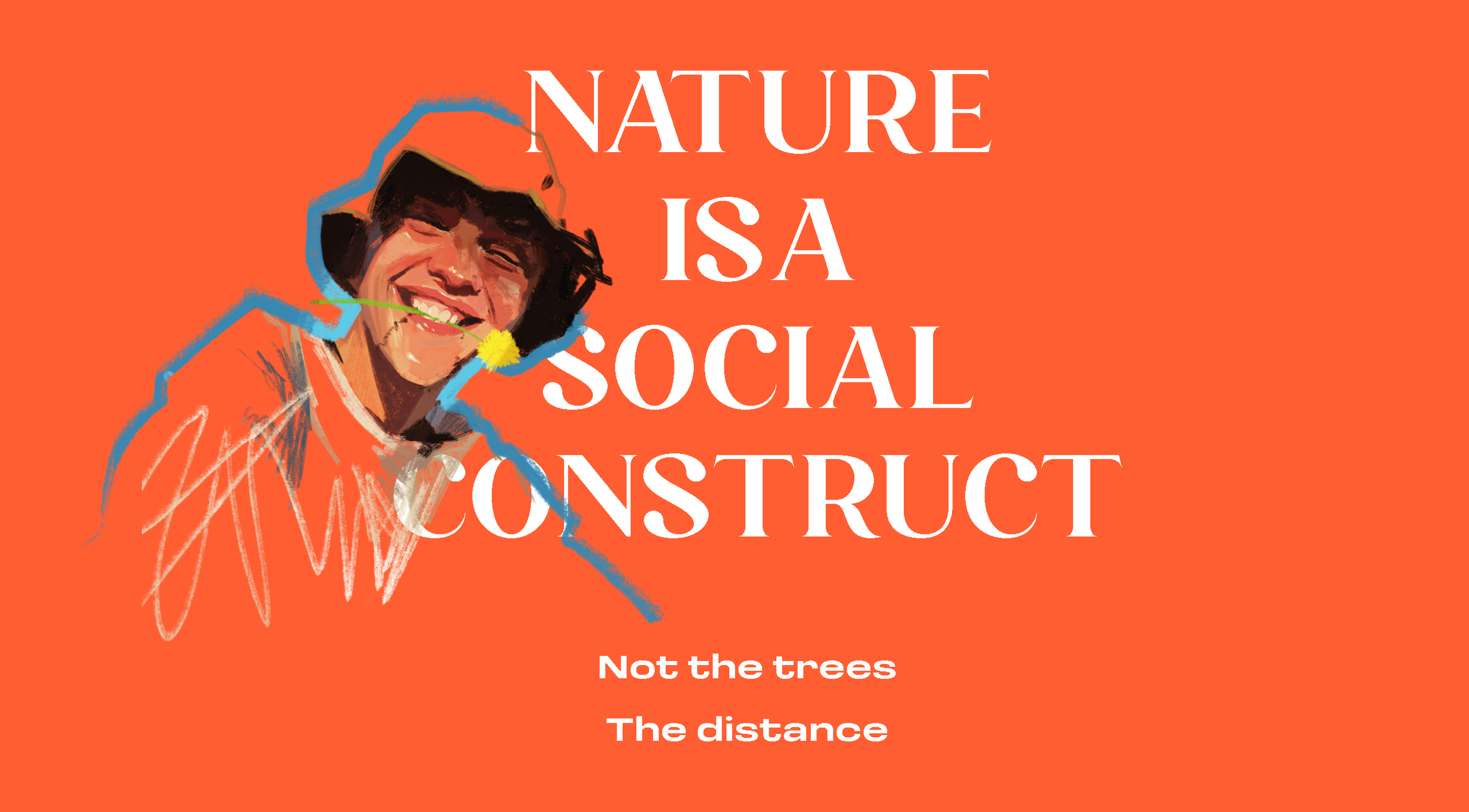
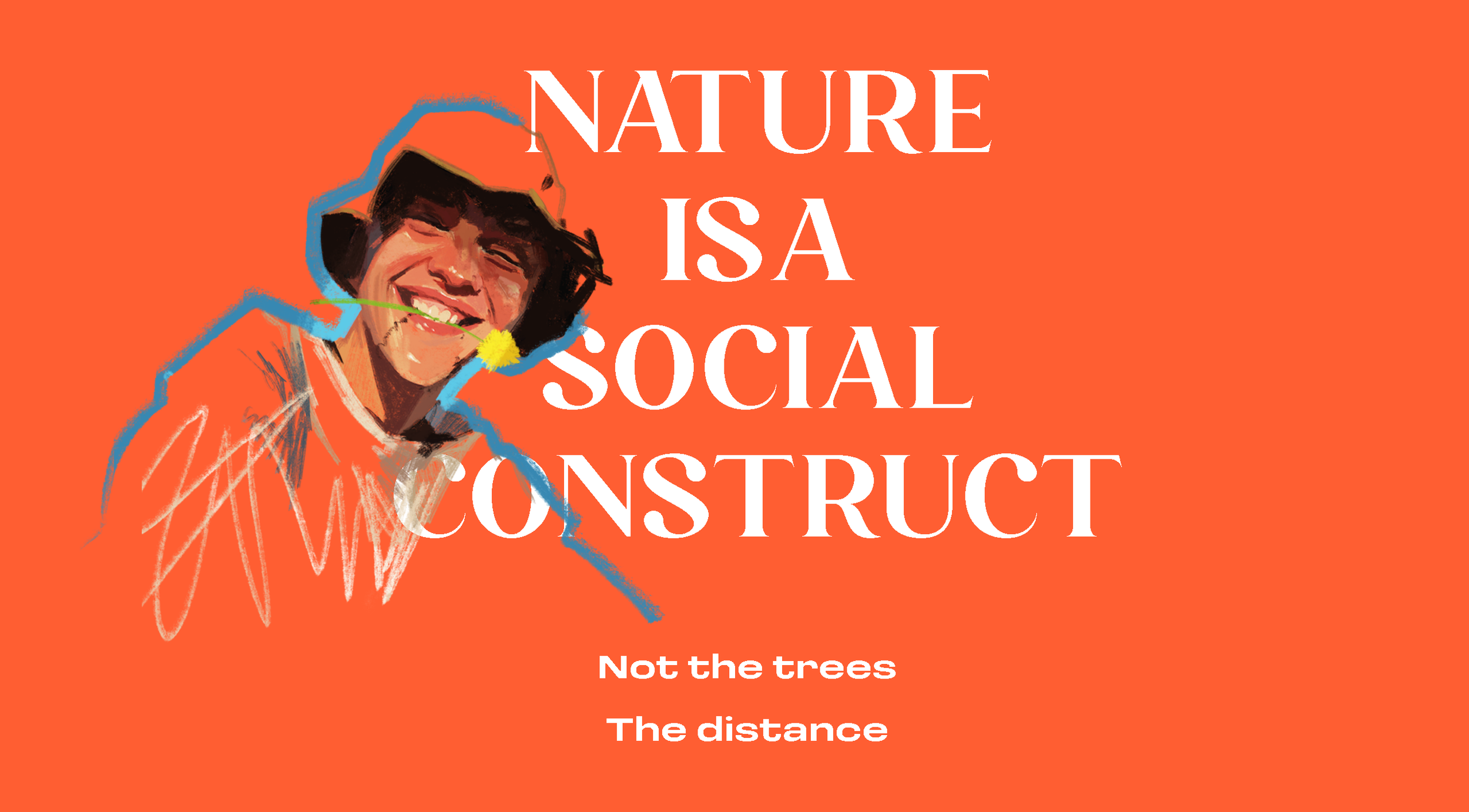
Are Humans Separate From Nature?
Are humans separate from nature? Explore the human-nature relationship, urban green spaces, environmental psychology, and why the separation may be more cultural than biological.
The Strange Idea That Humans Live Outside the Natural World
We talk about nature as if it's somewhere else.
People go into nature, reconnect with nature, escape to nature.
The language is so common that it barely registers. Yet it's worth pausing for a moment and asking a simple question:
If nature is where we go, where exactly are we the rest of the time? The assumption behind much of modern life is that nature exists outside our daily environments. It's in forests, mountains, national parks, lakes, and remote landscapes. Cities, offices, roads, and neighborhoods belong to a different category.
But are humans actually separate from nature?
According to biology, ecology, and environmental psychology, the answer is no. Humans remain part of natural systems in the same way every other living organism does.
The sense of separation many people experience is largely cultural rather than biological. Understanding that distinction helps explain everything from why people feel better around trees to why urban green spaces have such a powerful effect on wellbeing.
Why Do People Think Humans Are Separate From Nature?
For most of human history, people lived in direct contact with weather, landscapes, plants, and animals. Daily survival depended on understanding local ecosystems.
Modern life changed that relationship.
Cities allowed people to control many aspects of their environment. Buildings regulate temperature. Artificial lighting extends the day. Roads reshape landscapes. Technology creates distance between people and natural systems. Over time, this physical distance became a mental one. Nature slowly transformed from the environment we lived within to a destination we visited.
You can see this shift in everyday language. People rarely say they're reconnecting with gravity or reconnecting with oxygen, even though both are essential parts of daily life.
Yet reconnecting with nature has become a common phrase.
The idea itself reveals something important: many people feel disconnected from a system they remain part of every second of every day.
The Human-Nature Relationship Never Went Away
Biologically, humans remain deeply connected to the natural world. Every breath depends on ecological processes. Human bodies still respond to sunlight, seasons, temperature changes, and environmental conditions. You can ignore those relationships for a while.
Most of us do.
But they don't disappear simply because we stop paying attention to them.
Nature Exists Inside Cities Too
The conversation becomes more interesting when we stop imagining nature as something that begins at the city limits.
Cities are full of nature.
Street trees provide habitat for birds and insects. Rivers continue flowing through urban landscapes. Weather patterns shape daily life. Plants emerge through cracks in sidewalks. Urban ecosystems support surprising levels of biodiversity.
Research on urban green spaces consistently shows that even small amounts of everyday nature can improve wellbeing.
The distinction between city and nature is often less clear than it appears.
Imagine two identical streets.
Same buildings, same width, same number of parked cars.
One has mature trees.
The other doesn't.
Most people immediately have a preference because a tree growing beside an apartment building is still a tree, a bird nesting under a bridge is still wildlife and a river running through downtown remains part of a larger ecological system.
When people think about nature in cities, they often discover that what felt absent was never entirely gone.
What was actually missing was attention.
What Happens When We See Nature as "Somewhere Else"?
The idea that humans are separate from nature has practical consequences.
When nature is viewed as an external category, environmental systems can begin to look like obstacles rather than relationships.
Trees become maintenance problems.
Rivers become flood risks.
Wildlife becomes noise.
Leaves become debris.
These concerns are often legitimate. Cities require management and infrastructure.
But the framing matters.
When nature is seen only as something outside urban life, it becomes easier to overlook the ways healthy ecosystems support human wellbeing, public health, and quality of life.
Humans shape environments.
And environments shape humans.
The relationship is not one-sided.
So, Are Humans Separate From Nature?
Biologically? Or ecologically? Or even psychologically.
The evidence suggests that humans remain deeply embedded within natural systems, even when daily life creates the feeling of separation. But there may be another possibility that is harder to measure. Humans talk about nature as though it exists somewhere else. We go into nature, reconnect with nature, escape to nature you name it. The language is interesting because nobody talks about reconnecting with gravity or escaping into oxygen.
Maybe the reason nature feels restorative is not because it takes us somewhere different.
Maybe it reminds us of something we often forget.
Not that nature is over there.
That we're already inside it.
The tree on your street isn't a piece of nature visiting the city.
It's the city participating in nature.
Borrowed maps
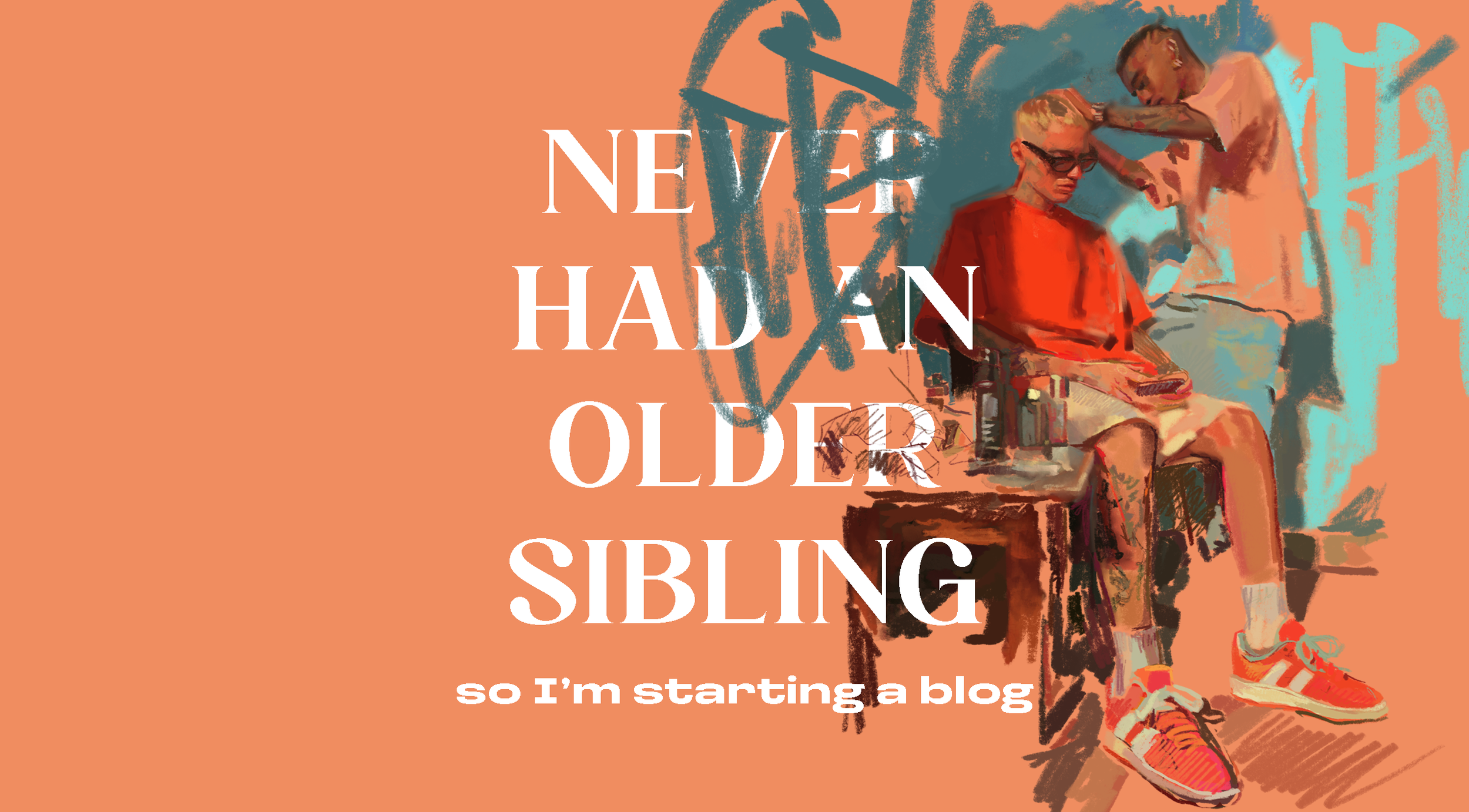
Most of what we know comes from experience we never had ourselves. Through stories, advice, books, and conversations, humans borrow maps from one another. This essay explores why shared knowledge may be one of humanity's most important survival tools.
That probably sounds unrelated
Stay with me
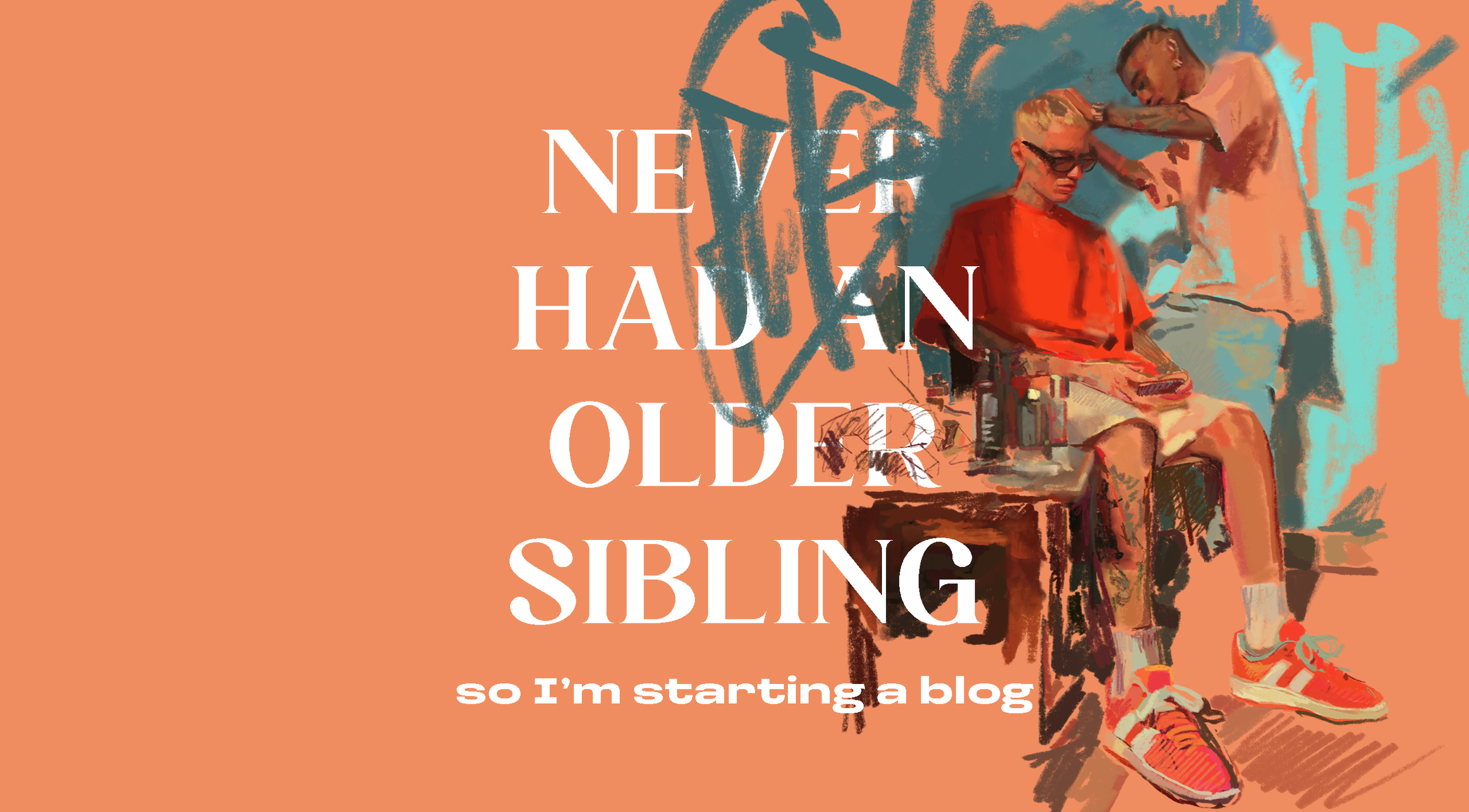
I spent a surprising amount of my childhood wanting an older sibling.
First I wanted an older sister. I wanted someone who already knew things. Someone who could tell me what was coming, explain the rules that adults seemed convinced everybody already understood, and reassure me that whatever confusing thing I was currently experiencing had happened to someone before.
Later, I wanted an older brother too. Someone who could make exploration feel safer. The kind of kid who had already climbed the fence, jumped off the rock, tested whether something was a terrible idea and survived long enough to report back.
I had neither. Which was unfortunate, and biologically quite difficult to fix by the time I started making the request.
I did get a dog, though.
In retrospect, he was an excellent exploration partner and a terrible source of social advice.
The absence of older siblings created an unexpected habit. Since I couldn't borrow experience directly, I started collecting it wherever I could find it. I paid attention to other people's mistakes, their detours, the stories that began with "If I could do it again..." and the things they wished somebody had told them ten years earlier.
I don't think I realized I was doing it at the time. I thought I was just curious. Looking back, I think I was assembling a substitute.
Other people became my older siblings.
Sometimes they were friends. Other times authors or people I'd never meet. Sometimes they were strangers who happened to explain exactly the thing I needed to read at exactly the right moment.
I collected their maps & hoped it will be useful to know where other people found cliffs. Mostly life did not follow the same route.
I've started noticing that many of my favorite things share this quality: a repaired chair, an underlined book, park bench painted a million times or even a mural - all evidence that someone was here before and maybe that's part of why I like them.
Perfection is not as important, but the facthey're in conversation with another person. Someone left a trace, a note in the margin, or a repaired leg on a chair, a layer of paint, a path through a park.
Proof that knowledge doesn't only move through schools or books or formal lessons. Sometimes it moves through small acts of continuation. Sometimes it moves through evidence that another human being figured something out and left the result behind.
A lot of what I write comes from that habit. Most of the ideas I return to aren't really original. They're observations, stories, mistakes, conversations, half-forgotten lessons that accumulated over time. Things I wish somebody had told me earlier. Things somebody eventually did.
Recently I've been watching more and more online spaces become fragile. Accounts disappear. Platforms change direction. Algorithms decide certain conversations are less welcome than they used to be. None of this feels particularly dramatic. It's just a reminder that most of us are building relationships in places we don't actually own.
Rented houses can be lovely. They're just not the best place to store family photos.
So this is partly why I'm here.
I’m not leaving anywhere else nor do I have a grand plan.
Mostly because I've spent years borrowing maps from other people, and it feels fair to leave a few behind.
Some of them might be useful. Some of them might be wrong. Most will probably be unfinished.
The maps I borrowed were never valuable because they were perfect.
They were valuable because someone took the time to draw them.